PUNTOS de Salud is now R e n i a
Acupuncture for pregnancy: What Traditional Chinese Medicine can offer
Acupuncture for pregnancy: discover what Traditional Chinese Medicine may offer as complementary support for common pregnancy symptoms and well-being during pregnancy in Palma
WOMEN’S HEALTH
Salva Gianfreda
5 min read

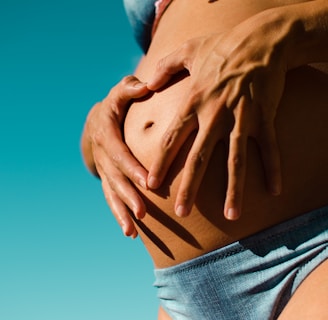
Pregnancy is a time of significant physical and emotional change.
As your pregnancy progresses, you may experience changes in digestion, sleep, energy, mood or physical comfort.
Acupuncture and other approaches from Traditional Chinese Medicine are sometimes used as complementary therapies during pregnancy.
However, pregnancy requires particular care. Any complementary treatment should take your stage of pregnancy, medical history and current care into account and should never replace appropriate maternity or medical care.
At Renia, the approach is personalised and adapted to your individual situation.
Is acupuncture appropriate during pregnancy?
Acupuncture is used by some people during pregnancy, including for certain common pregnancy-related symptoms.
However, it is not appropriate to describe acupuncture as universally safe or suitable for every pregnancy.
Your individual circumstances matter. Certain medical conditions or pregnancy complications may require specific precautions or mean that acupuncture is not appropriate.
If you are pregnant, particularly if your pregnancy is considered high risk or you are experiencing unusual symptoms, discuss complementary treatment with your midwife, obstetrician or another qualified healthcare professional before starting treatment.
At Renia, your pregnancy and existing medical care are taken into account when considering whether treatment is appropriate.
How can acupuncture be used during pregnancy?
Pregnancy can bring a wide range of physical and emotional changes.
Acupuncture has been studied for some pregnancy-related symptoms, although the strength of the evidence varies depending on the particular symptom and the individual circumstances.
Depending on your situation, acupuncture may be considered as a complementary approach for symptoms such as:
Nausea and vomiting
Headaches
Muscular tension
Back discomfort
Pelvic or musculoskeletal discomfort
Stress
Sleep difficulties
Fatigue
Digestive discomfort
Constipation
General physical discomfort
The aim is not to treat the pregnancy itself, but to consider whether acupuncture may be appropriate for particular symptoms or aspects of wellbeing.
Acupuncture and nausea during pregnancy
Nausea and vomiting are common during pregnancy, particularly during the earlier stages.
Acupuncture has been investigated as a possible complementary approach for pregnancy-related nausea and vomiting.
The evidence is not conclusive, and individual experiences vary.
If nausea or vomiting is severe, persistent or affecting your ability to eat, drink or function normally, it is important to seek advice from your healthcare professional.
Acupuncture for back and muscular discomfort
As pregnancy progresses, physical changes can affect posture, movement and the musculoskeletal system.
Some women experience back discomfort, muscular tension or other physical symptoms during pregnancy.
Acupuncture may be considered as one complementary approach to managing certain types of musculoskeletal discomfort.
Treatment should always be adapted to the stage of pregnancy and your individual circumstances.
Acupuncture and emotional wellbeing during pregnancy
Pregnancy can also bring emotional changes.
Concerns about the pregnancy, changes in everyday life, physical discomfort and uncertainty about childbirth can all affect how you feel.
Some people use acupuncture as part of a wider approach to relaxation and wellbeing.
This does not mean that acupuncture should be considered a treatment for depression or other mental health conditions.
If you are experiencing persistent low mood, significant anxiety or other mental health concerns during pregnancy, speak with an appropriate healthcare professional.
Can acupuncture turn a breech baby?
Fetal position can change naturally during pregnancy, particularly before the later stages.
Acupuncture should not be presented as a treatment that can reliably turn a breech baby.
Acupuncture and related Traditional Chinese Medicine techniques have been investigated in relation to breech presentation, but the evidence is not sufficient to make a general claim that acupuncture will correct fetal position.
If your baby is in a breech or otherwise unusual position, your midwife or obstetrician can explain the available medical options and appropriate monitoring.
Any complementary approach should be discussed with your maternity care team.
Can acupuncture prepare you for labour?
Acupuncture has been investigated in relation to various aspects of late pregnancy and preparation for labour.
However, there is not enough evidence to guarantee that acupuncture will naturally mature the cervix, shorten or lengthen labour, induce labour or control contraction pain.
For this reason, Renia does not present acupuncture as a way to guarantee a particular labour outcome.
If you are approaching your due date, your midwife or obstetrician remains responsible for decisions concerning induction, monitoring and other aspects of your maternity care.
What happens during a pregnancy acupuncture session?
Your first session at Renia lasts 90 minutes.
We begin by discussing your current situation, stage of pregnancy, symptoms and relevant medical history.
A Traditional Chinese Medicine assessment is then carried out.
If acupuncture is considered appropriate, the treatment is adapted to your pregnancy and individual circumstances.
You may notice sensations when the needles are inserted, although the experience varies from person to person.
Some people find acupuncture relaxing and may feel very calm during the session.
What information should you tell your practitioner?
It is important to provide relevant information about your pregnancy and medical care.
This may include:
How many weeks pregnant you are
Whether the pregnancy is considered high risk
Previous pregnancies or pregnancy complications
Current symptoms
Medication or supplements
Relevant medical conditions
Any concerns raised by your midwife or obstetrician
Any significant changes since your last medical appointment
This information helps determine whether complementary treatment is appropriate and whether any additional precautions are needed.
What about acupuncture after pregnancy?
The postpartum period is another time of significant physical and emotional change.
After giving birth, some women may consider acupuncture or other Traditional Chinese Medicine approaches as complementary support for general wellbeing or particular symptoms.
The postpartum period can involve changes in sleep, energy, digestion, mood and physical comfort.
However, acupuncture should not be presented as a treatment for postpartum depression, breastfeeding problems or other medical conditions.
If you experience persistent low mood, significant anxiety, breast inflammation, fever, heavy bleeding, severe pain or other concerning symptoms after giving birth, seek appropriate medical care promptly.
Acupuncture and breastfeeding
If you are breastfeeding, it is important to consider your individual circumstances before starting any complementary treatment.
Acupuncture itself does not involve medication, but other Traditional Chinese Medicine approaches, particularly Chinese herbal medicine, require additional consideration when breastfeeding.
If you are taking medication or considering Chinese herbal medicine while breastfeeding, discuss this with your healthcare professional.
A personalised approach
Every pregnancy is different.
The symptoms you experience, your stage of pregnancy, your medical history and the care you are receiving all influence whether and how complementary treatment may be appropriate.
At Renia, we begin by understanding your situation rather than applying a fixed pregnancy protocol.
Depending on your circumstances, the approach may include:
Acupuncture
Auriculotherapy
Moxibustion
Gentle complementary techniques
Nutritional and lifestyle guidance
Not every approach is appropriate during every stage of pregnancy.
How many sessions are needed?
There is no fixed number of sessions that applies to every woman during pregnancy.
The frequency of treatment depends on your individual situation, the symptoms you want to address and whether continuing complementary treatment is appropriate.
Your first session lasts 90 minutes and gives us time to understand your situation, carry out a Traditional Chinese Medicine assessment and begin treatment when appropriate.
Afterwards, we can discuss possible next steps based on your circumstances.
When should you speak to your healthcare professional?
Acupuncture and Traditional Chinese Medicine should complement, not replace, appropriate maternity care.
Contact your midwife, obstetrician or another qualified healthcare professional if you experience symptoms that concern you, particularly:
Vaginal bleeding
Severe or persistent abdominal pain
Severe or persistent vomiting
Significant swelling or sudden changes in well-being
Reduced fetal movement when this is relevant to your stage of pregnancy
Fever or signs of infection
Any other symptom that feels unusual or concerning
Your maternity team should remain your first point of contact for pregnancy-related medical concerns.
Ready to get started?
Start with a 90-minute first session to understand your situation, carry out an assessment from a Traditional Chinese Medicine perspective and consider whether complementary treatment is appropriate for you.
Notice
Traditional Chinese Medicine (acupuncture, Chinese herbal medicine, moxibustion, auriculotherapy, cupping and nutritional guidance) is offered at Renia as complementary therapy, in accordance with Decree 55/2010 of the Government of the Balearic Islands and applicable Spanish legislation. These therapies do not replace diagnosis, treatment, prescription or follow-up by a qualified healthcare professional. The information in this article is general in nature and does not constitute a diagnosis or an individual treatment recommendation.
VISIT
Gilabert de Centelles 19, 5th floor
07005 Palma
Monday - Saturday
By appointment only
CONTACTS
Renia ® 2026. All rights reserved.
Legal Notice | Privacy & Cookies Policy | Medical Disclaimer
"Renia offers traditional Chinese medicine as a complementary therapy. It does not replace medical diagnosis or treatment. Please consult your doctor for any health concern."